Lifestyle
The Art of Slow Living: A Modern Lifestyle Choice for a Fast-Paced World

In a world obsessed with speed, productivity, and constant connectivity, many people are starting to question whether faster is always better. The rise of the slow living movement is a direct response to the burnout, stress, and disconnection that often come with a high-speed lifestyle. It’s not about doing less for the sake of laziness—it’s about doing things more intentionally and savoring life’s moments.
This article explores what slow living means, why it’s becoming increasingly popular, and how you can incorporate it into your own lifestyle without completely overhauling your life.
1. What is Slow Living?
Slow living is a philosophy that emphasizes mindfulness, intentionality, and balance. It’s about rejecting the idea that you must always be “on” or moving quickly to be successful. Instead, it focuses on enjoying the journey, prioritizing quality over quantity, and valuing experiences over possessions.
It doesn’t mean you have to move to the countryside, quit your job, or give up technology. Instead, slow living encourages you to make thoughtful choices about how you spend your time, what you consume, and who you share your life with.
2. The Rise of Slow Living in Modern Society
Over the last decade, there’s been a cultural shift toward valuing well-being over constant productivity. Several factors have contributed to this:
-
Burnout Epidemic: Work-related stress, especially in urban environments, has reached record levels.
-
Digital Overload: The constant flood of notifications, emails, and social media updates leaves little room for mental rest.
-
Minimalism Movement: Decluttering and simplifying life go hand in hand with slow living principles.
-
Global Events: The pandemic encouraged many people to re-evaluate their priorities and slow down.
This movement isn’t just a trend—it’s a long-term shift toward a healthier relationship with time and energy.
3. The Benefits of Slow Living
Adopting a slow living approach has numerous physical, mental, and emotional benefits.
Physical Health Benefits:
-
Reduced stress levels lower the risk of heart disease and high blood pressure.
-
Better sleep quality due to less overstimulation before bedtime.
-
More time for exercise and home-cooked, nutritious meals.
Mental & Emotional Benefits:
-
Increased mindfulness and gratitude.
-
Better focus and creativity due to fewer distractions.
-
Stronger, more meaningful relationships.
By intentionally slowing down, you give yourself space to live more fully.
4. Core Principles of Slow Living
While slow living looks different for everyone, some core principles remain consistent:
-
Quality Over Quantity – Whether it’s relationships, possessions, or experiences, focus on what truly matters.
-
Mindfulness – Pay attention to the present moment instead of constantly rushing toward the next goal.
-
Sustainability – Make choices that are kind to the environment and future generations.
-
Simplicity – Reduce unnecessary clutter in both your home and your schedule.
These principles can be adapted to any lifestyle, regardless of where you live or what you do for work.
5. Practical Ways to Embrace Slow Living
If you’re interested in slowing down but aren’t sure where to start, here are some actionable steps:
1. Start Your Day Without Your Phone
Give yourself at least 30 minutes in the morning before checking messages or social media. Use this time for stretching, meditation, or enjoying breakfast mindfully.
2. Declutter Your Schedule
Say “no” to unnecessary commitments. Prioritize activities that truly align with your values.
3. Cook More at Home
Not only does this encourage healthier eating, but it also turns meals into intentional moments of joy.
4. Practice Mindful Consumption
Buy fewer things but choose higher quality items that last longer.
5. Spend Time in Nature
Even a short daily walk can help you slow down and reconnect with the world around you.
6. Slow Living and Technology
Many people assume slow living means rejecting technology altogether, but that’s not the case. The key is to use technology mindfully.
-
Set boundaries for screen time.
-
Turn off unnecessary notifications.
-
Use tech for meaningful connections, not mindless scrolling.
Technology can support slow living if used with intention—for example, using a meditation app, listening to calming podcasts, or learning new skills online at your own pace.
7. The Role of Mindfulness in Slow Living
Mindfulness is the backbone of the slow living movement. By being fully present in each moment, you naturally slow down your perception of time and deepen your experiences.
Mindfulness Practices That Support Slow Living:
-
Meditation and breathwork.
-
Journaling thoughts and gratitude.
-
Mindful eating—truly tasting each bite instead of rushing meals.
When you approach daily tasks mindfully, even mundane activities like folding laundry or washing dishes can become calming rituals.
8. Building a Slow Living Home Environment
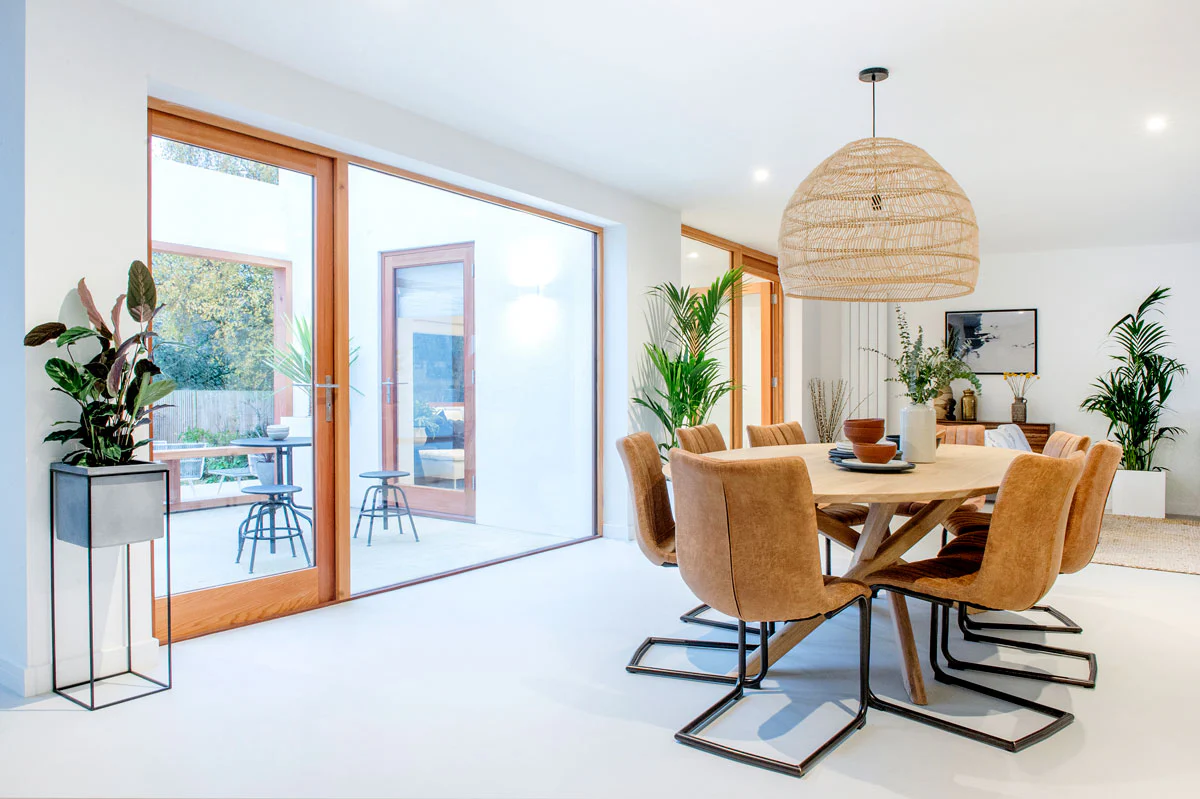
Your surroundings have a powerful impact on your pace of life. Creating a calm, organized, and comfortable living space can support your slow living goals.
-
Declutter regularly to avoid feeling overwhelmed.
-
Incorporate natural elements like plants, wood, and soft lighting.
-
Design intentional spaces for relaxation, such as a reading nook or cozy balcony.
A peaceful home encourages a peaceful mind.
9. Challenges of Adopting Slow Living
While the benefits are clear, slow living can be difficult to maintain in a fast-paced world.
Common Challenges:
-
Pressure from work or social expectations to stay “busy.”
-
Fear of missing out (FOMO) when you choose not to participate in every event.
-
Difficulty breaking old habits of multitasking and overcommitting.
The key is to start small, be patient with yourself, and remember that slow living is a journey, not a destination.
10. Why Slow Living is the Future
As technology advances and the pace of life accelerates, the need for balance becomes even more important. Many believe slow living will become not just a lifestyle choice, but a necessity for mental and physical well-being.
It aligns perfectly with other growing movements like sustainability, remote work flexibility, and mental health awareness.

Conclusion
Slow living is not about rejecting progress or becoming unproductive—it’s about reclaiming your time, energy, and focus. In a world that constantly demands more, slow living invites you to enjoy what you already have and make choices that nourish your well-being.
It’s an act of self-care, a path toward deeper connections, and a way to live life with more meaning and less stress. By embracing even a few slow living practices, you can create a lifestyle that feels intentional, balanced, and fulfilling.
Lifestyle
The New Meaning of a Balanced Life: How Modern Lifestyles Are Being Redefined

For years, the idea of a “balanced lifestyle” was portrayed as an ideal mix of career success, social activity, fitness, and personal time. In reality, many people felt stretched thin trying to keep up with unrealistic standards of productivity and perfection. Today, that definition is changing.
Across the world, individuals are rethinking what it means to live well. Lifestyle choices are no longer driven solely by ambition or social expectations but by a deeper desire for sustainability, well-being, and personal fulfillment. From how people work and eat to how they spend their free time, modern lifestyles are undergoing a quiet but meaningful transformation.
Slowing Down in a Fast-Paced World
One of the most noticeable lifestyle shifts is the growing emphasis on slowing down. After years of glorifying hustle culture, many people are recognizing the cost of constant busyness. Burnout, chronic stress, and mental fatigue have become common experiences, prompting a reevaluation of priorities.
Slower living does not mean giving up goals or ambition. Instead, it focuses on intentional choices—doing fewer things but doing them better. This approach can be seen in the rise of mindful routines, simplified schedules, and a greater appreciation for rest. Activities like journaling, meditation, and digital detoxes are no longer niche interests but mainstream lifestyle practices.
Redefining Success and Personal Fulfillment
Traditional markers of success—high salaries, job titles, and material possessions—are being challenged. Many people are now measuring success through well-being, flexibility, and meaningful experiences. This shift is especially prominent among younger generations who value freedom and purpose alongside financial stability.
Lifestyle decisions increasingly reflect this mindset. People are choosing careers that align with their values, even if it means earning less. Others are prioritizing travel, creative pursuits, or community involvement over rapid career advancement. The result is a more personal and diverse definition of what a “good life” looks like.
Home as a Lifestyle Hub
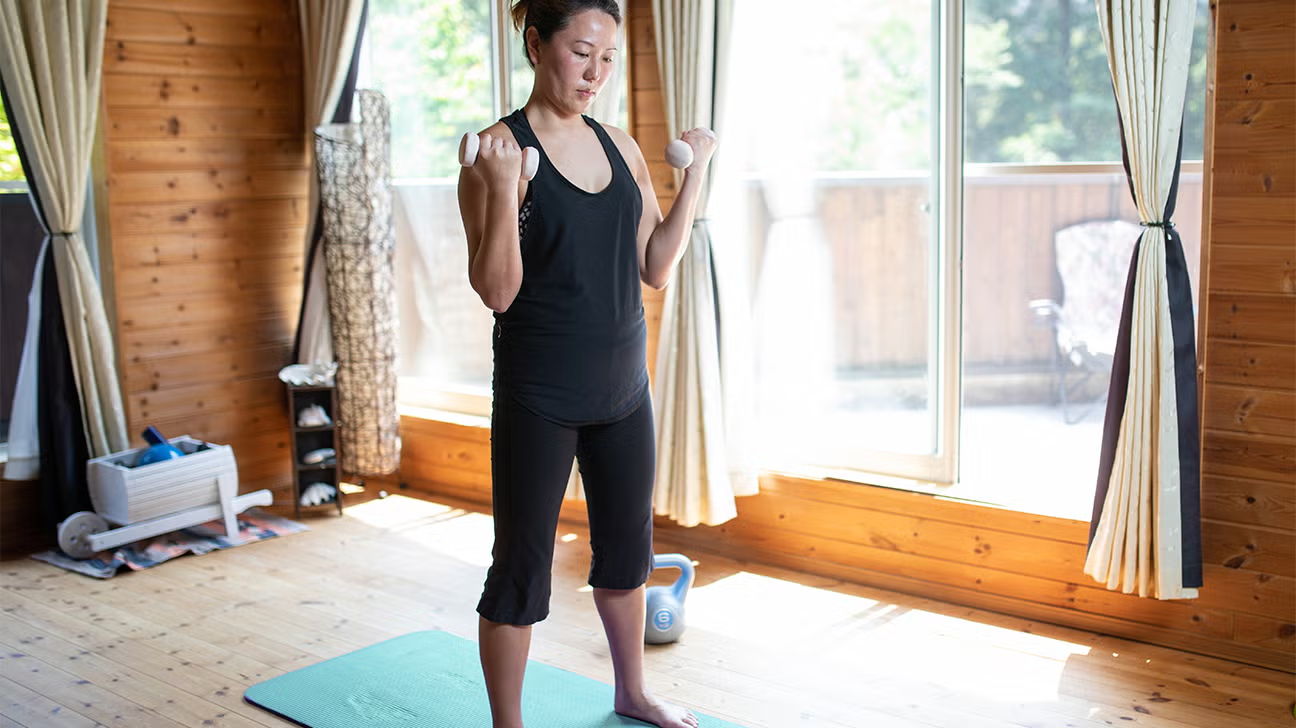
The role of the home has evolved significantly. Once primarily a place to rest, it is now a multifunctional space that supports work, wellness, and social connection. Home offices, workout corners, and relaxation zones have become common features of modern living spaces.
This shift has also influenced interior design and consumer habits. Comfort, functionality, and sustainability are now key considerations. People are investing in quality furniture, natural lighting, and calming aesthetics that promote mental well-being. The focus is less on appearance for others and more on how a space feels for those who live in it.

Conscious Consumption Gains Momentum
Lifestyle choices are closely tied to consumption habits, and here too, change is evident. Consumers are becoming more mindful of what they buy, how often they buy it, and where it comes from. Fast fashion and impulsive spending are increasingly being replaced by thoughtful purchasing decisions.
Minimalism, secondhand shopping, and sustainable brands are gaining popularity as people seek to reduce waste and environmental impact. This shift is not about deprivation but about alignment—choosing products that reflect personal values and long-term needs.
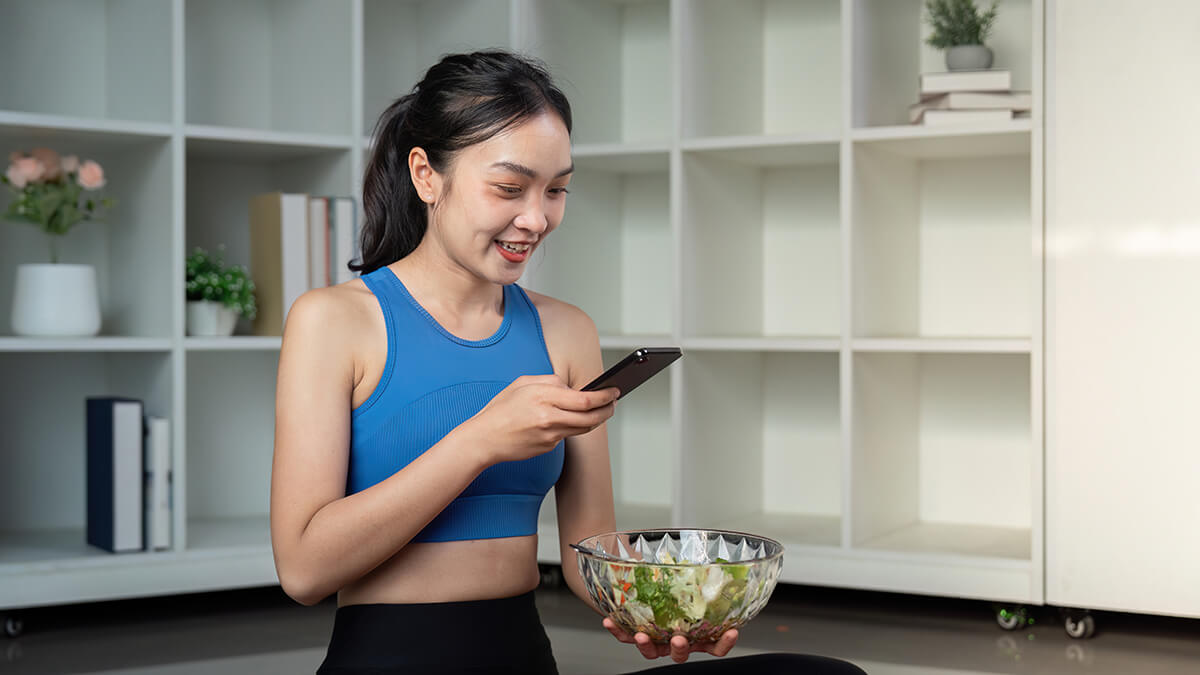
Food choices are also part of this trend. More people are embracing balanced diets, locally sourced ingredients, and home cooking. Eating is no longer just about convenience but about nourishment, enjoyment, and connection.
Wellness as a Daily Practice
Wellness has moved beyond occasional self-care rituals to become an integral part of everyday life. Physical health, mental well-being, and emotional balance are now viewed as interconnected rather than separate concerns.
Exercise routines are becoming more flexible and inclusive, with people choosing activities they genuinely enjoy. Walking, yoga, and functional training are often preferred over intense, short-term fitness challenges. Similarly, mental health practices such as therapy, mindfulness, and stress management are increasingly normalized.
This holistic approach reflects a broader understanding that wellness is not a destination but an ongoing process shaped by daily habits.
Digital Life and Intentional Connectivity
Technology remains central to modern lifestyles, but attitudes toward digital engagement are shifting. While smartphones and social media offer convenience and connection, they also contribute to information overload and distraction.
As a result, many people are adopting more intentional digital habits. Limiting screen time, curating social media feeds, and setting boundaries around work communication are becoming common practices. Rather than rejecting technology altogether, individuals are learning to use it in ways that support their lifestyle goals.
Digital tools that promote organization, learning, and well-being are gaining popularity, reinforcing the idea that technology should serve life—not dominate it.
Relationships and Community Matter More
Lifestyle trends also reflect a renewed emphasis on relationships and community. After periods of isolation and rapid change, people are rediscovering the value of meaningful connections. Quality time with family and friends is increasingly prioritized over busy social calendars.
Community involvement, whether through local events, volunteering, or shared interests, is becoming an important source of fulfillment. These connections provide a sense of belonging that cannot be replaced by material success.
Strong relationships are now recognized as a cornerstone of a healthy lifestyle, contributing to both emotional resilience and overall happiness.
Financial Simplicity and Peace of Mind
Financial habits are another area where lifestyle shifts are evident. Rather than focusing solely on earning more, many individuals are concentrating on managing money more intentionally. Budgeting, saving, and reducing debt are seen as tools for reducing stress and increasing freedom.
This mindset encourages long-term planning and realistic expectations. Financial stability is valued not for status but for the peace of mind it provides. By aligning spending with values, people are creating lifestyles that feel both secure and satisfying.
The Future of Lifestyle Choices
As lifestyles continue to evolve, flexibility and self-awareness will remain essential. There is no single formula for living well, and modern lifestyles reflect this diversity. What matters most is intentionality—making choices that support individual needs, values, and circumstances.
The modern lifestyle is not about perfection or constant improvement. It is about balance, presence, and purpose. By redefining success and embracing mindful living, people are creating lives that feel not only productive but genuinely fulfilling.
Lifestyle
The Modern Lifestyle Reset: How People Are Redefining Balance, Purpose, and Everyday Living
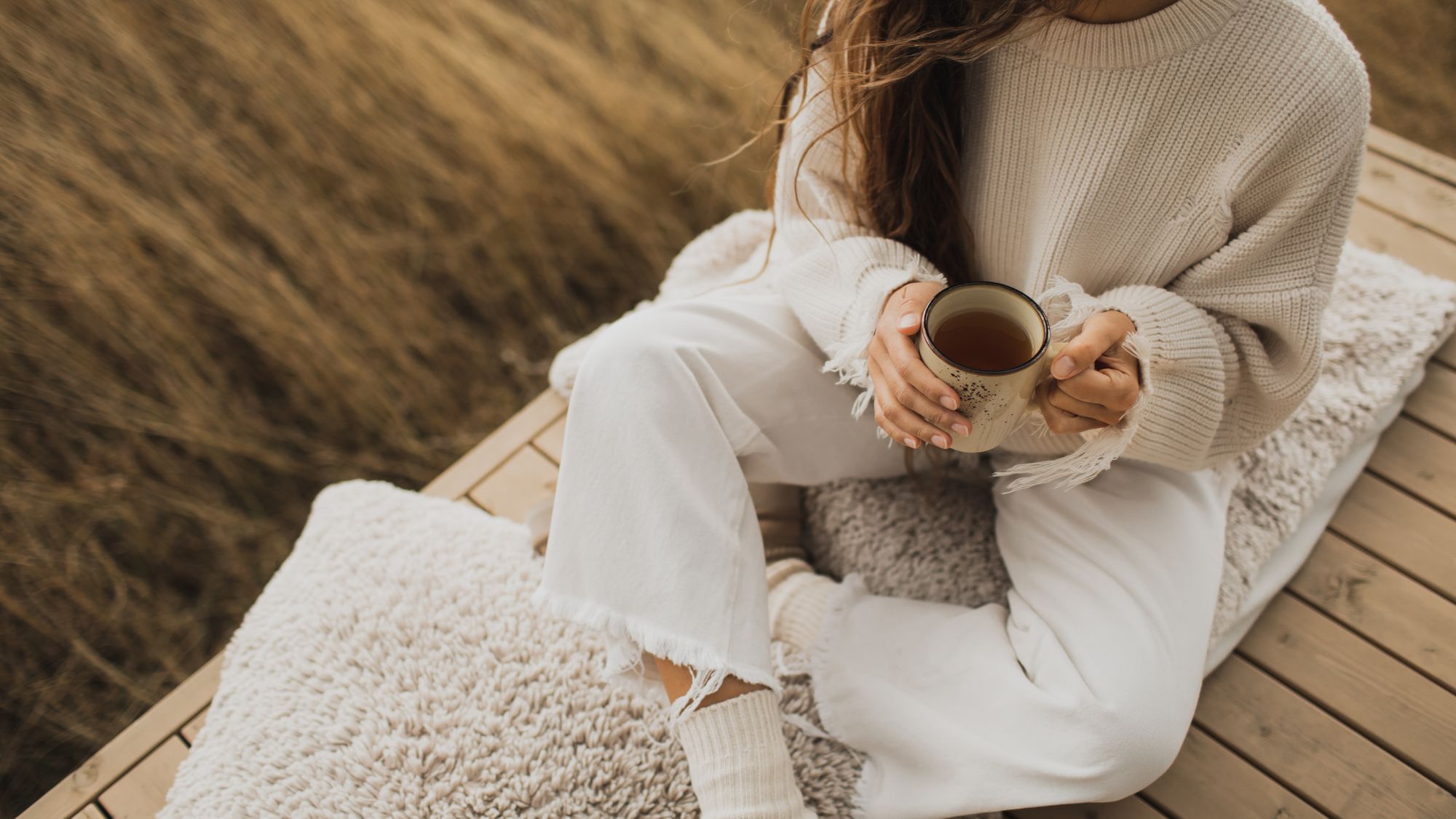
In a world that moves faster than ever, the concept of “lifestyle” has transformed from simple daily routines to a conscious, intentional approach to living. The modern lifestyle movement emphasizes balance, well-being, self-expression, and purpose—driven by a collective desire to live more meaningfully rather than merely exist. From wellness practices to sustainable habits, from digital detoxes to redefining success, people today are reevaluating what truly matters.
This article explores the major shifts shaping contemporary lifestyle choices and how individuals can navigate them to build a healthier, more fulfilled life.
1. The Rise of Intentional Living
Over the last decade, intentional living has evolved from a niche concept to a global movement. This approach encourages individuals to align their daily actions with their personal values, long-term goals, and emotional needs.
Living With Purpose
For many, intentional living means asking deeper questions:
-
What do I want my life to feel like?
-
What habits truly support my well-being?
-
Am I living for myself or for the expectations of others?
The search for purpose has pushed people toward careers, hobbies, relationships, and environments that reflect their authentic selves. Whether pursuing creative work, moving to quieter places, or engaging in meaningful activities, the goal is to build a life that feels fulfilling rather than simply productive.
A Shift from Accumulation to Experience
Modern lifestyles prioritize experiences over possessions. People increasingly value:
-
Travel
-
Learning
-
Personal growth
-
Quality time with loved ones
-
Unique, one-of-a-kind moments
Experiences create memories that enrich life, while material possessions often lose value quickly. This shift has contributed to the rise of minimalism and mindful consumption.
2. Wellness as a Lifestyle Cornerstone
Wellness has become central to how people define their lifestyles. It is no longer limited to physical health; instead, it is a holistic approach that includes mental, emotional, and spiritual well-being.
Mental Health Takes Center Stage
Modern lifestyle discussions frequently focus on stress, burnout, anxiety, and emotional balance. People now recognize the importance of:
-
Setting boundaries
-
Seeking therapy
-
Practicing mindfulness or meditation
-
Building healthy relationships
-
Prioritizing rest
The stigma surrounding mental health is decreasing, allowing individuals to seek help and openly discuss their struggles.
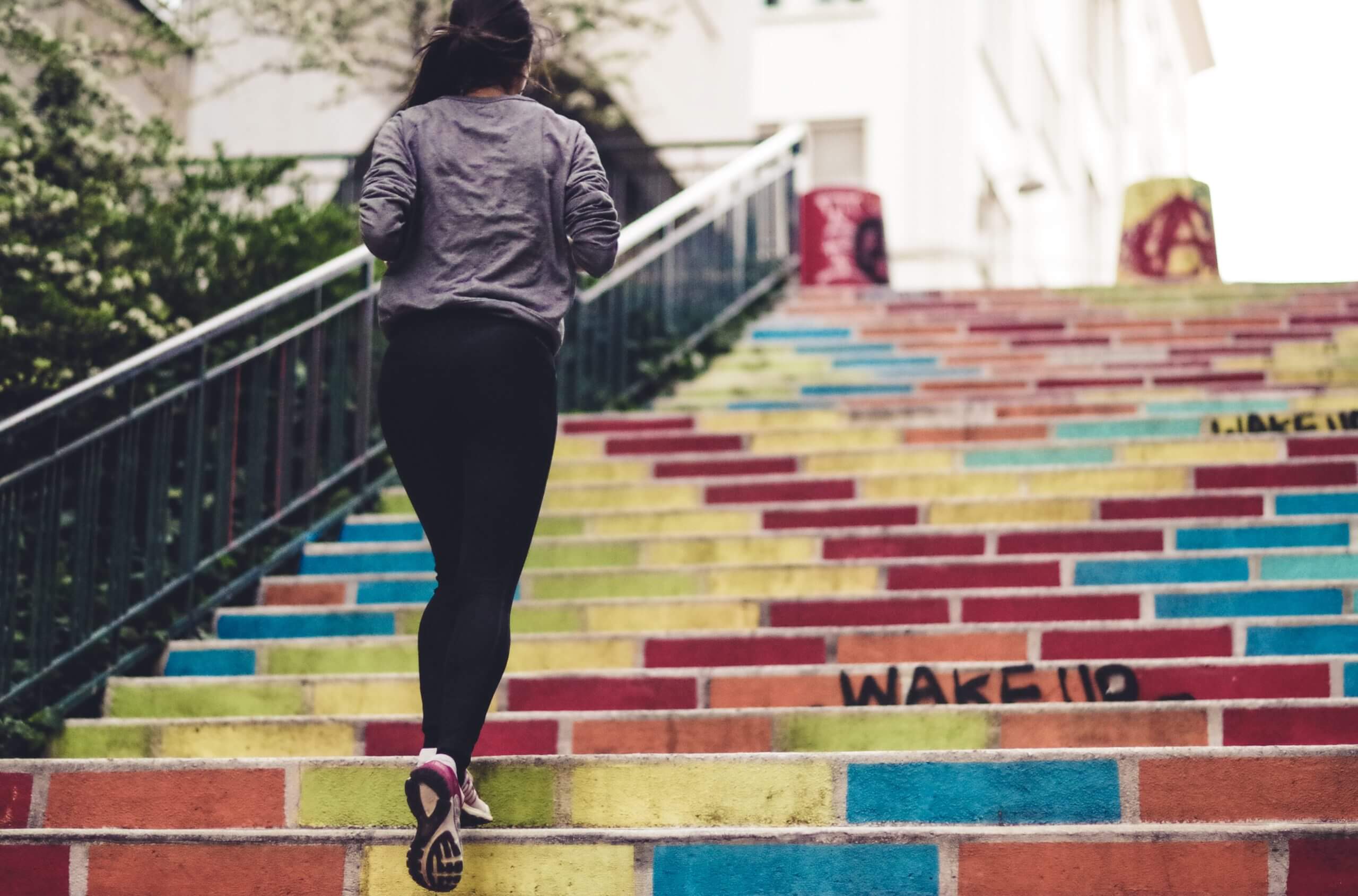
Physical Wellness Reimagined
Traditional gym workouts have been joined by:
-
Yoga and pilates
-
Outdoor activities
-
Functional fitness
-
Dance-based exercise
-
Wellness-focused sports like paddleboarding and hiking
Nutrition has also expanded beyond calorie counting. Instead, people focus on whole foods, gut health, plant-based diets, and personalized nutrition plans.
Spiritual and Emotional Well-Being
More people are exploring spirituality, not necessarily linked to religion, to add depth and grounding to their lives. Practices such as journaling, breathwork, gratitude routines, and energy healing are becoming mainstream.
3. Digital Balance in an Overconnected World
The digital world has brought incredible convenience, but it has also introduced distractions, stress, and overstimulation. As a result, achieving a healthy relationship with technology is now part of a modern lifestyle.
The Need for Digital Detox
Constant connectivity leaves little room for rest. Many people now adopt:
-
“Screen-free Sundays”
-
Social media breaks
-
Phone-free mornings or evenings
-
Notifications management
-
Digital minimalism
These practices help reduce anxiety and increase productivity, focus, and real-life engagement.
Mindful Social Media Use
Rather than abandoning platforms entirely, many users seek healthier patterns:
-
Following positive, inspiring accounts
-
Avoiding comparison-driven content
-
Limiting doomscrolling
-
Engaging in communities that reflect personal interests
Digital well-being tools—such as screen-time trackers—support this balanced approach.
4. The Sustainability Lifestyle Shift
Sustainable living has become more than an environmental trend—it’s a lifestyle statement. Individuals increasingly want their choices to reflect respect for the planet and future generations.
Eco-Friendly Habits on the Rise
People are adopting:
-
Reusable household items
-
Low-waste shopping
-
Buying local products
-
Energy-efficient practices
-
Eco-friendly fashion choices
Sustainability is not about perfection but about progress. Even small shifts, when adopted widely, contribute to meaningful change.
Conscious Consumerism
More consumers are choosing brands that:
-
Support ethical labor
-
Use sustainable materials
-
Promote transparency
-
Offer longevity instead of fast, disposable goods
This mindset encourages a cleaner, more thoughtful lifestyle.
5. Reimagining Work-Life Balance
Remote work, hybrid workplaces, and flexible schedules have changed how people view their careers and daily routines.
A New Definition of Success
Success is no longer measured purely by income or job title. Instead, people value:
-
Time freedom
-
Work satisfaction
-
Work–life harmony
-
Mental wellness
-
Growth and learning
This has led many to change careers, pursue freelancing, or seek roles that align better with their personal values.
Building Healthier Daily Routines
A balanced lifestyle now includes:
-
Regular breaks
-
Time outdoors
-
Structured daily habits
-
Dedicated downtime
-
Creative outlets
The shift toward well-being-centered productivity highlights that a healthier lifestyle often leads to better performance—not the other way around.
6. The Home as a Wellness Sanctuary
As people spend more time at home, their living spaces have become vital to their lifestyle choices.
Designing for Comfort and Calm
Interior design now emphasizes:
-
Natural light
-
Minimal clutter
-
Soft, calming colors
-
Plants for air quality and mood
-
Multi-functional spaces
Home environments are curated not just for aesthetics but for mental clarity and emotional comfort.
The Rise of Home Hobbies
Cooking, gardening, crafting, reading, and DIY projects have surged in popularity. These activities provide relaxation, creativity, and personal satisfaction—qualities often missing from fast-paced lifestyles.
7. Human Connection and Community Matter More Than Ever
After years of digital interactions and physical distance, people now place greater value on real relationships, community building, and shared experiences.
Quality Over Quantity
Meaningful friendships, supportive family relationships, and authentic social circles have become essential components of a fulfilling lifestyle.
Community Engagement
People increasingly join:
-
Local clubs
-
Volunteer groups
-
Fitness communities
-
Cultural gatherings
Connection fosters belonging—one of the strongest predictors of happiness.
Conclusion: A Lifestyle Built on Balance and Purpose
Today’s lifestyle trends reflect a powerful cultural shift toward balance, wellness, sustainability, meaningful relationships, and personal growth. People are moving away from mindless routines and toward intentional living—valuing quality over quantity, purpose over pressure, and well-being over constant productivity.
The modern lifestyle isn’t about perfection but about creating habits and environments that support happiness, health, and authenticity. As society continues to evolve, one thing is clear: the future of lifestyle is human-centered, mindful, and deeply connected to what truly brings joy.
Lifestyle
Modern Lifestyle Trends: Balancing Wellness, Technology, and Purpose
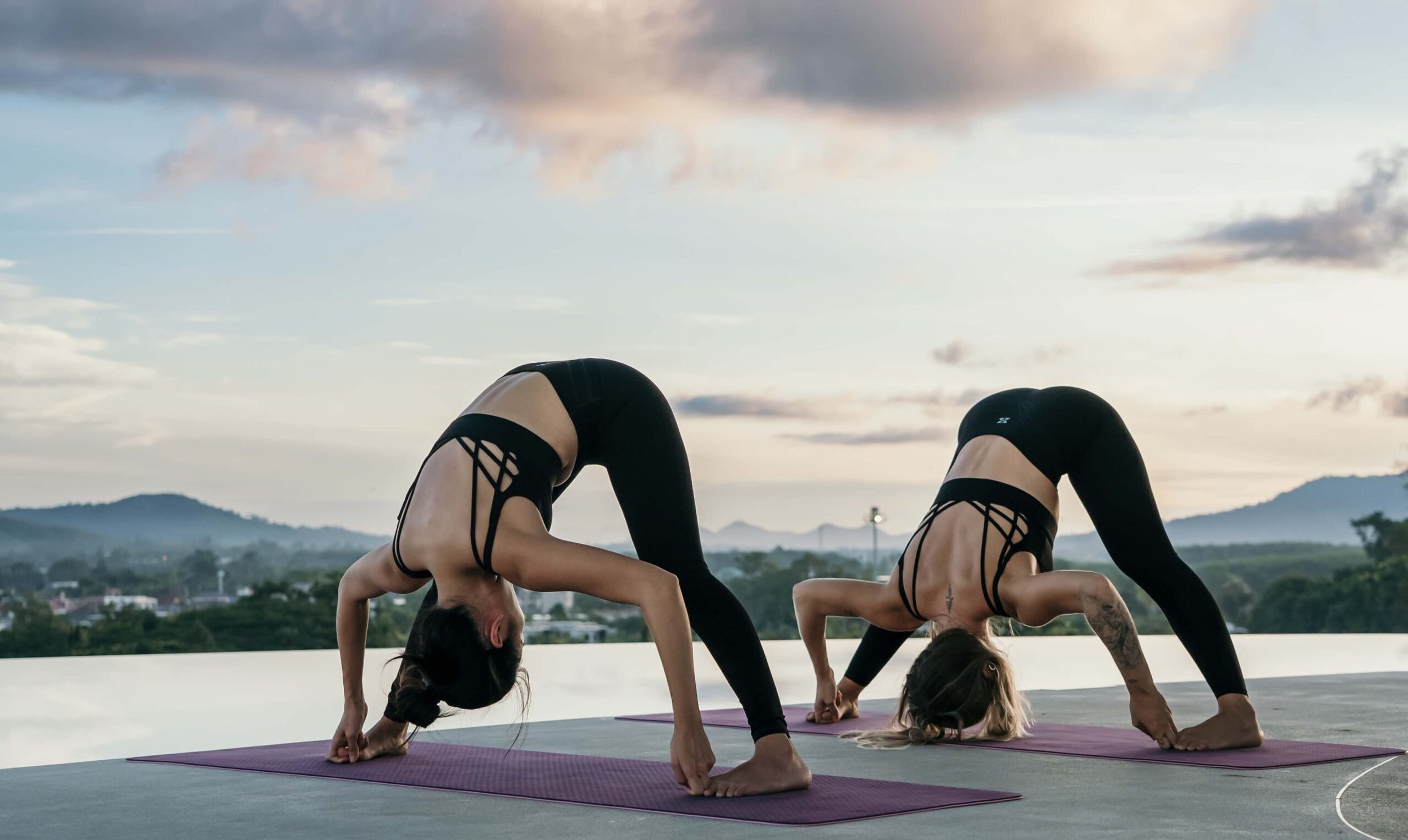
In today’s fast-paced world, lifestyle choices have become a central focus for individuals seeking balance, fulfillment, and well-being. From the way we work and socialize to how we eat, exercise, and unwind, lifestyle trends reflect broader societal shifts influenced by technology, health awareness, and changing cultural values. People no longer view lifestyle as just a set of habits—they see it as a holistic approach to living better, smarter, and more intentionally.
This article explores the key aspects of modern lifestyle, highlighting trends in wellness, technology, sustainability, social interaction, and personal development, while offering insights into how people can cultivate a balanced and meaningful life.
Wellness as a Lifestyle Foundation
Wellness has moved beyond the realm of fitness enthusiasts or health fanatics. It is now recognized as a core pillar of a fulfilling lifestyle.
-
Physical Health: Regular exercise, balanced nutrition, and adequate sleep are central to wellness. Activities like yoga, Pilates, functional training, and outdoor sports are increasingly popular as people seek sustainable ways to stay fit.
-
Mental Health: Mindfulness, meditation, and stress-management practices are gaining attention. Apps that guide meditation, track mood, or promote mental resilience are becoming integral to modern wellness routines.
-
Preventive Healthcare: Routine medical check-ups, wearable health trackers, and early detection programs empower individuals to take control of their health, preventing illness before it becomes serious.
Wellness-oriented lifestyles encourage a proactive approach, where prevention, self-care, and balance are prioritized over reactive measures.
The Role of Technology in Modern Living
Technology has reshaped every aspect of daily life, influencing how we work, communicate, and spend leisure time.
-
Smart Homes and Automation: Devices such as smart thermostats, lighting systems, and voice assistants simplify daily routines, enhance convenience, and improve energy efficiency.
-
Fitness and Health Tech: Wearables, fitness trackers, and health apps allow people to monitor activity levels, sleep quality, heart rate, and nutrition. This data-driven approach enables more informed lifestyle decisions.
-
Digital Entertainment: Streaming services, social media, and gaming platforms offer endless ways to relax, learn, and socialize, though moderation is key to prevent digital burnout.
While technology enhances convenience, connection, and entertainment, modern lifestyles emphasize finding a healthy balance between screen time and real-world experiences.
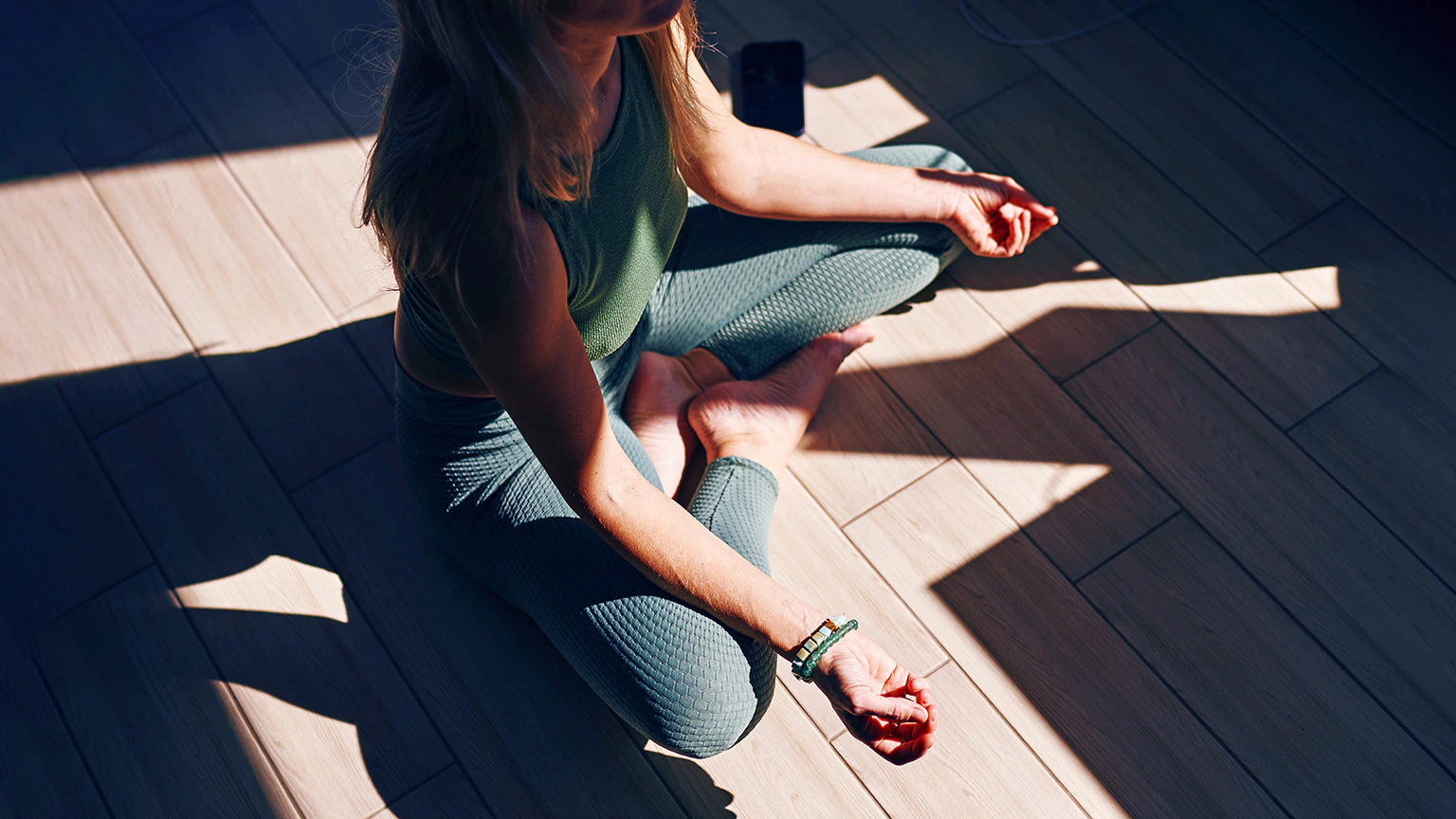
Sustainable Living and Conscious Consumption
Sustainability has become a defining factor in lifestyle choices. Consumers are increasingly aware of their environmental footprint and seek ways to live responsibly.
-
Eco-Friendly Products: From reusable packaging and biodegradable materials to ethically sourced clothing, people are integrating sustainability into their daily choices.
-
Minimalism: Simplifying possessions and focusing on quality over quantity helps reduce waste and create a more intentional living space.
-
Green Transportation: Cycling, walking, public transportation, and electric vehicles are being embraced to minimize carbon emissions and promote healthier lifestyles.
Sustainable living not only benefits the planet but also fosters mindfulness, discipline, and a deeper sense of purpose.
Nutrition and Culinary Trends
Eating habits are a crucial aspect of lifestyle. Modern trends emphasize health, sustainability, and culinary exploration.
-
Plant-Based Diets: Vegetarian, vegan, and flexitarian diets are on the rise, fueled by health concerns, environmental awareness, and ethical considerations.
-
Functional Foods: Superfoods, probiotics, and nutrient-rich diets focus on boosting immunity, digestion, and overall well-being.
-
Mindful Eating: Paying attention to food choices, portion sizes, and eating habits is becoming a key part of wellness routines.
Food is no longer just fuel—it is a reflection of personal values, cultural identity, and lifestyle priorities.
Work-Life Integration
Modern lifestyles increasingly prioritize flexibility and purpose, rather than simply earning a paycheck.
-
Remote and Hybrid Work: Flexible work arrangements allow people to balance professional responsibilities with personal interests, family time, and wellness practices.
-
Side Hustles and Creative Pursuits: Many individuals pursue multiple streams of income or hobbies that align with personal passions, contributing to financial security and fulfillment.
-
Time Management: Tools, apps, and routines that optimize productivity are essential to maintain balance and prevent burnout.
A lifestyle that integrates work and personal life effectively fosters satisfaction, reduces stress, and promotes long-term well-being.
Travel, Experiences, and Social Connection
Experiences are increasingly valued over material possessions, influencing how people spend their free time.
-
Experiential Travel: Cultural immersion, adventure tourism, and wellness retreats are preferred over conventional sightseeing. People seek meaningful travel that enriches their perspectives and personal growth.
-
Social Connectivity: Maintaining friendships, networking, and community engagement are vital for mental and emotional health. Social media helps maintain connections but should complement, not replace, face-to-face interactions.
-
Hobbies and Recreation: Activities such as art, music, gardening, and volunteering provide creative outlets and foster a sense of purpose.
Lifestyle choices today emphasize cultivating memories, relationships, and personal growth rather than accumulating material goods.
Financial Wellness as a Lifestyle Component
Financial stability is a critical aspect of modern living, influencing stress levels, life decisions, and overall well-being.
-
Budgeting and Saving: Awareness of income, expenses, and investments ensures long-term security and peace of mind.
-
Investing and Wealth Management: People are increasingly exploring diversified investments, retirement planning, and financial literacy to secure their future.
-
Mindful Spending: Conscious decisions about purchases and consumption reduce financial stress while aligning spending with personal values.
Financial wellness is integral to a holistic lifestyle, providing the freedom to pursue personal goals and meaningful experiences.
Mindset and Personal Development
A modern lifestyle emphasizes continuous growth and self-awareness.
-
Lifelong Learning: Online courses, workshops, and reading help individuals acquire new skills, stay relevant, and satisfy curiosity.
-
Mindset Practices: Gratitude, reflection, and positive thinking are incorporated into daily routines to enhance mental resilience and satisfaction.
-
Goal-Oriented Living: Setting clear personal and professional goals fosters motivation, purpose, and intentional decision-making.
Personal development is central to lifestyle design, ensuring that individuals grow alongside their changing circumstances and priorities.
Challenges in Maintaining a Balanced Lifestyle
Despite the availability of resources and information, maintaining a balanced lifestyle can be challenging:
-
Information Overload: The constant influx of advice, trends, and recommendations can lead to confusion or anxiety.
-
Digital Distractions: Overuse of technology can reduce mindfulness, sleep quality, and real-world social interactions.
-
Time Constraints: Busy work schedules and family responsibilities make it difficult to prioritize wellness, hobbies, and self-care consistently.
Awareness of these challenges is the first step toward designing strategies that support balance, health, and long-term satisfaction.

Conclusion
Modern lifestyles are about more than habits—they are holistic systems that integrate wellness, technology, sustainability, social connection, and personal growth. Individuals today strive to live intentionally, balancing physical health, mental well-being, financial security, and meaningful experiences.
While challenges such as digital distraction, information overload, and societal pressures exist, adopting mindful practices, leveraging technology responsibly, and focusing on wellness can foster a balanced and fulfilling lifestyle. Ultimately, the goal of modern living is not perfection—it is cultivating purpose, joy, and resilience in a complex and ever-changing world.

How Mental Wellbeing Impacts Your Body Transformation
Emerging science is reshaping how we understand fat loss and physical performance by focusing on how the body regulates energy,...


Retatrutide Peptide: A Breakthrough in Obesity and Metabolic Research
Retatrutide is one of the most talked-about experimental peptides in medical research today, especially in the fields of weight management...


The New Meaning of a Balanced Life: How Modern Lifestyles Are Being Redefined
For years, the idea of a “balanced lifestyle” was portrayed as an ideal mix of career success, social activity, fitness,...


Mastering Time Management as an Entrepreneur
As an entrepreneur, time is one of your most valuable assets—but also one of the easiest to lose control of....


Body Contouring: Transform Your Shape with Precision at Azure Frisco
Body contouring has become one of the most sought-after procedures for individuals looking to sculpt, tone, and refine their bodies....
-
 Mental Health2 years ago
How Hobbies Can Transform Your Mental Health
-
 Business2 years ago
Maximizing ROI: Effective Newsletter Strategies for Your Business
-
 Business2 years ago
How to Create a Sustainable and Eco-Friendly Home
-
 Fitness2 years ago
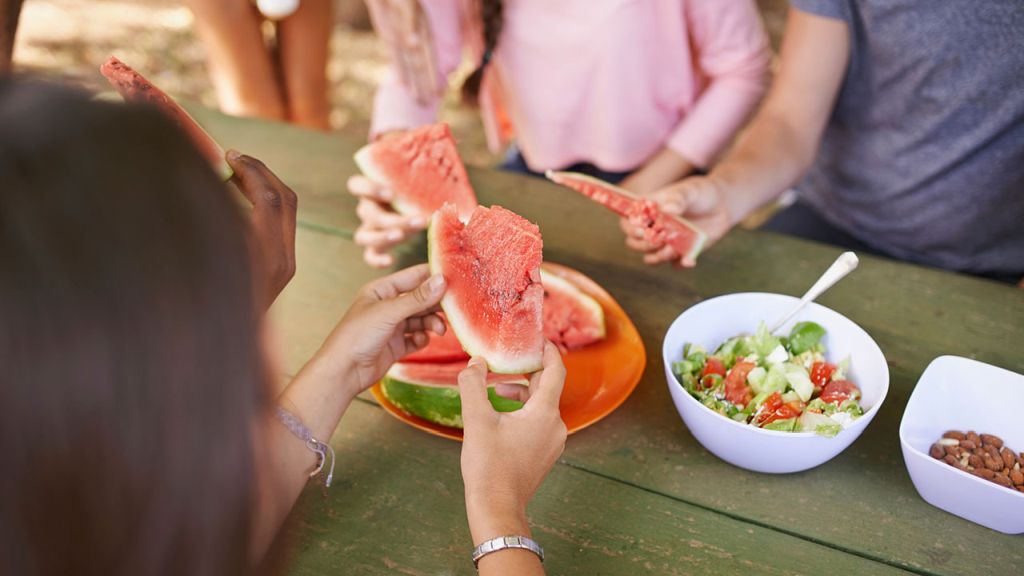
Healthy Eating Habits for a Busy Lifestyle
-
 Business2 years ago
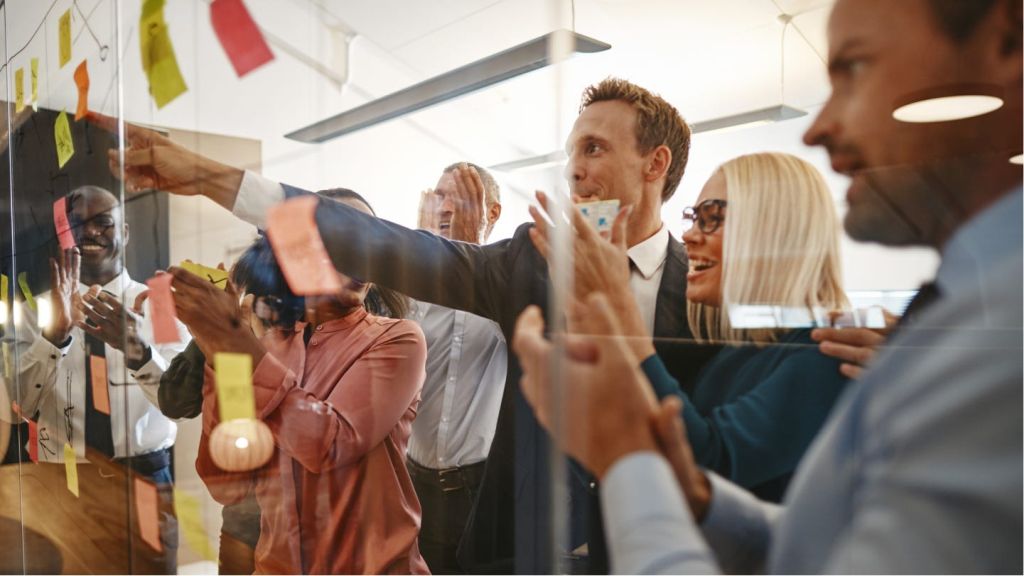
How to Organize a Successful Workshop: A Step-by-Step Guide
-

 Fitness1 year ago
Effective Methods to Speed Up Wound Recovery
-
 Fitness2 years ago
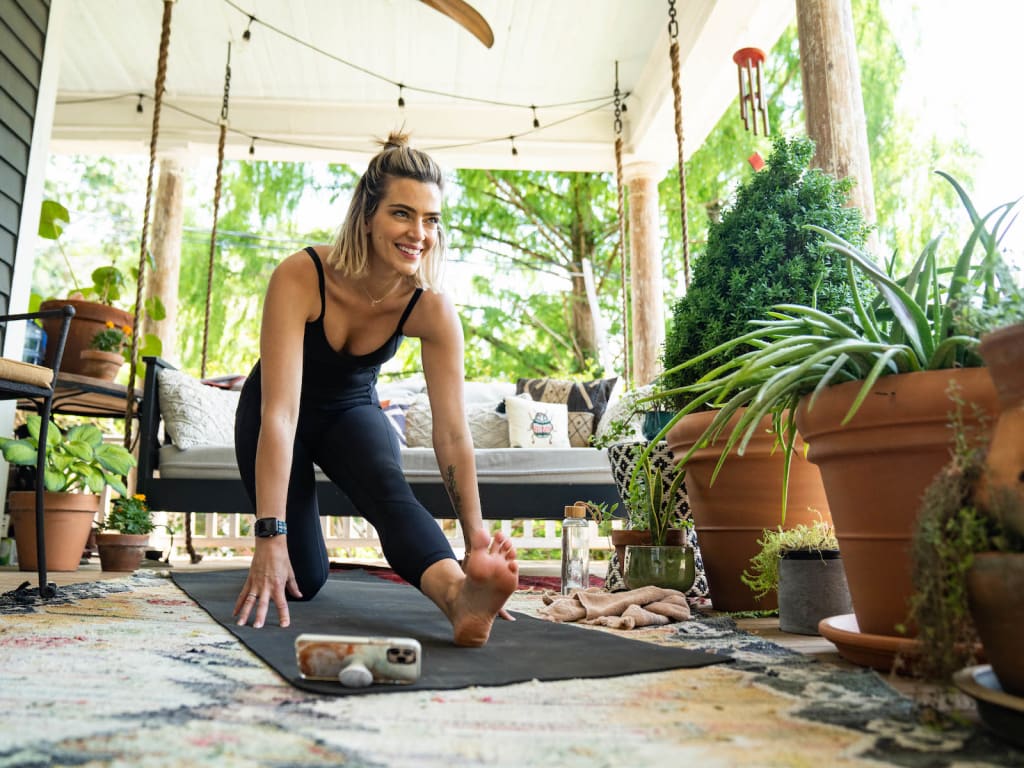
Adapting Your Training Sessions for Different Fitness Goals
-
 Mental Health2 years ago
Coaching Techniques for Overcoming Challenges