
Health
Retatrutide Peptide: A Breakthrough in Obesity and Metabolic Research
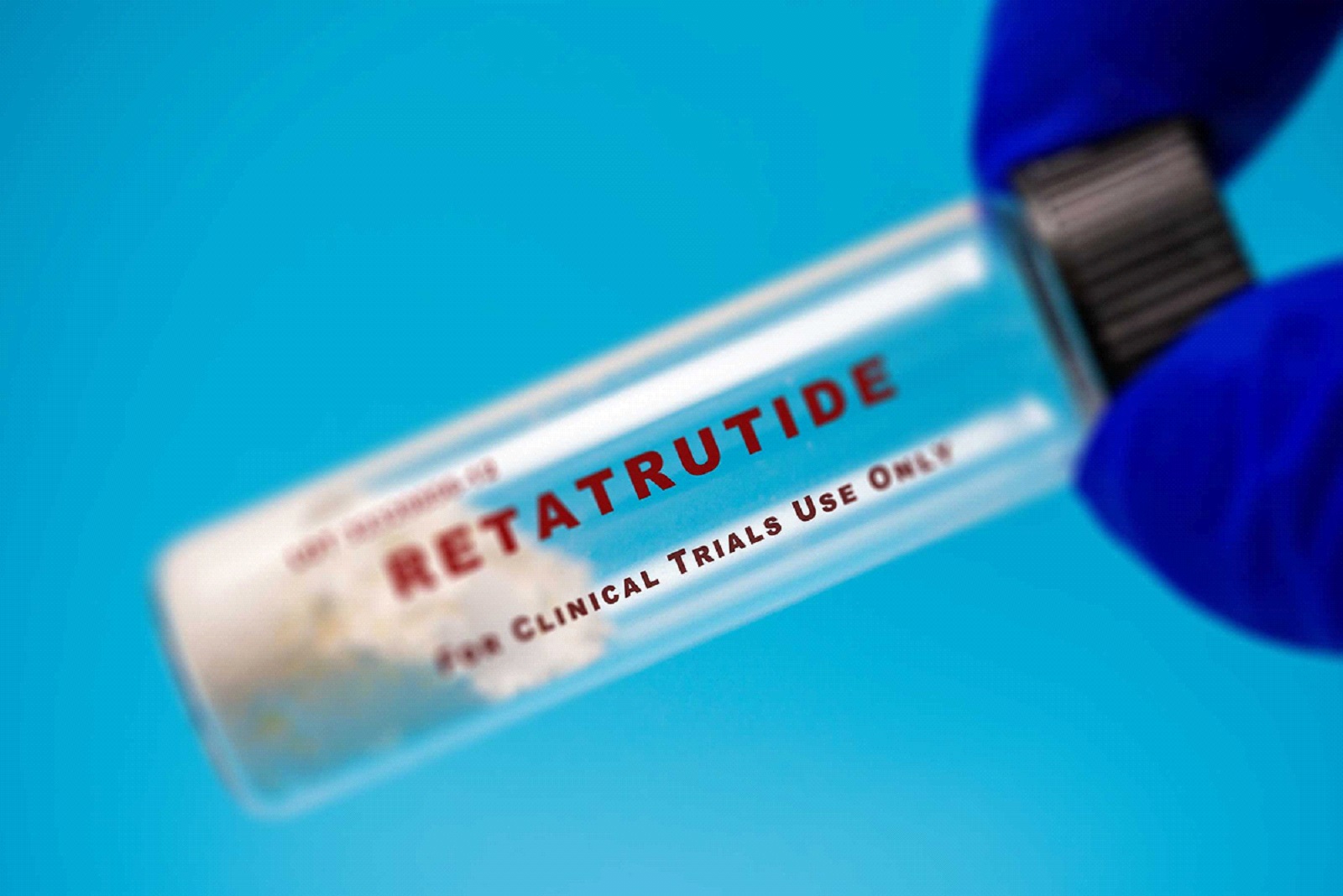
Retatrutide is one of the most talked-about experimental peptides in medical research today, especially in the fields of weight management and metabolic health.
Originally developed by the pharmaceutical company Eli Lilly, retatrutide represents a new class of multi-receptor peptide therapies that may significantly change how obesity and type 2 diabetes are treated in the future.
Unlike traditional weight-loss medications that target a single hormone or pathway, retatrutide is designed to simultaneously activate three hormone receptors in the body — the GLP-1 receptor, the GIP receptor, and the glucagon receptor.
This “triple agonist” strategy is what sets retatrutide apart from earlier drugs and makes it potentially much more effective for metabolic regulation and fat loss.
How Retatrutide Works
Retatrutide’s mechanism of action is complex but powerful:
-
GLP-1 Receptor Activation:
The GLP-1 (glucagon-like peptide-1) receptor helps regulate appetite, slow gastric emptying, and improve insulin secretion after meals. Many current anti-obesity drugs, such as semaglutide (marketed as Wegovy or Ozempic), focus on this pathway. -
GIP Receptor Engagement:
GIP (glucose-dependent insulinotropic polypeptide) enhances insulin sensitivity, which helps the body use glucose more effectively. Combining GLP-1 and GIP effects leads to better blood sugar control and improved metabolic flexibility. -
Glucagon Receptor Activation:
Glucagon increases energy expenditure and promotes fat oxidation — essentially helping the body burn more calories. Activating the glucagon receptor alongside GLP-1 and GIP extends retatrutide’s metabolic effects beyond appetite suppression alone.
This triple action creates a unique metabolic response that promotes significant weight loss, better insulin regulation, and improved energy utilization simultaneously.
Clinical Trial Results: What the Research Shows
Retatrutide has progressed through multiple clinical studies, and the early outcomes are impressive.
In Phase 2 trials, weekly injections of retatrutide resulted in average body weight reductions of:
-
~8.7% with a low dose
-
~17.5% at a mid-range dose
-
~22.8% to ~24.2% at higher doses
These results were observed over 48 weeks, with dose-dependent weight loss that surpassed most previously studied weight-loss medications.
Some participants even lost more than 20% of their body weight — outcomes comparable to those seen after bariatric surgery — making this peptide one of the most potent weight-loss agents ever studied in clinical research.
Beyond weight loss, trials have also shown improvements in metabolic markers such as insulin sensitivity, glucose levels, and lipid profiles. In people with type 2 diabetes, retatrutide reduced HbA1c levels significantly — sometimes more than established GLP-1 drugs — while also contributing to meaningful weight loss.
There’s also emerging evidence that retatrutide may reduce liver fat dramatically — in some studies by more than 80% — which could have implications for conditions like non-alcoholic fatty liver disease (NAFLD).
Potential Benefits Beyond Weight Loss

The excitement around retatrutide isn’t just about how much weight it can help people lose. Researchers are exploring how its metabolic effects may benefit a range of health conditions, including:
-
Type 2 diabetes management, by improving blood sugar control and insulin regulation.
-
Cardiovascular risk reduction, by improving lipid profiles and reducing risk factors associated with heart disease.
-
Metabolic syndrome, by targeting multiple pathways involved in energy balance and glucose metabolism simultaneously.
These broader benefits are important because obesity is often tied to other chronic health issues, and a therapy that addresses multiple aspects of metabolism could significantly improve long-term health outcomes.
Safety, Legal Status, and Important Concerns
Despite its potential, retatrutide is not yet approved for medical use and remains an investigational drug in ongoing Phase 3 clinical trials. Regulatory authorities like the U.S. Food and Drug Administration (FDA) have not approved it for general prescription, which means it’s legally available only in research settings or clinical trials.
Unfortunately, this hasn’t stopped unregulated vendors from selling products labeled as “retatrutide peptide” online. These powders are often marketed to fitness or weight-loss communities, but they are not equivalent to the peptide being studied in clinical research and may be unsafe or mislabeled.
Health experts strongly advise against using any unapproved or unregulated products sold over the internet — especially those claiming medical effects without clinical evidence.
These products may contain unknown substances, incorrect dosages, or contaminants that could pose serious health risks.

Final Thoughts: A Promising but Experimental Peptide
Retatrutide represents one of the most promising advances in metabolic medicine — a peptide that could outperform existing therapies by targeting multiple hormone pathways at once.
Early research suggests powerful weight-loss potential, improved metabolic health, and benefits for conditions linked to obesity and type 2 diabetes.
However, as with all investigational drugs, there’s important context to keep in mind:
-
Its safety and long-term effects are still being studied.
-
It hasn’t been approved for routine medical use.
-
Unregulated products sold online are unsafe.
The future of retatrutide will depend on the results of ongoing large clinical trials and regulatory review. If approved, it may offer a powerful new option for patients struggling with obesity and metabolic disease — but for now, it remains a research peptide with exciting potential and important limitations.

Health
How Mental Wellbeing Impacts Your Body Transformation

Emerging science is reshaping how we understand fat loss and physical performance by focusing on how the body regulates energy, recovery, and adaptation. Instead of relying only on traditional diet and exercise methods, new research explores factors such as metabolic efficiency, hormone balance, and cellular function. These insights help explain why some individuals respond differently to the same routines.
Advancements in this field also highlight the importance of recovery, sleep quality, and stress management in achieving consistent results. By combining these elements with structured training and proper nutrition, modern approaches aim to enhance both fat loss and overall performance in a more sustainable and efficient way
The Connection Between Mindset and Physical Results
Mindset plays a powerful role in shaping physical results, especially when it comes to body transformation. A positive and focused mental approach helps individuals stay consistent with nutrition, training, and recovery habits. Those who believe in long-term progress are more likely to overcome setbacks and maintain discipline.
This is often seen in stories about extreme weight loss celebrities, where mental resilience is just as important as diet and exercise. Developing a strong mindset reduces self-doubt and improves motivation, making it easier to achieve sustainable results. Ultimately, how you think directly influences how your body responds and performs over time.
How Stress Affects Fat Loss and Energy Levels
Stress has a significant impact on both fat loss and energy levels, often slowing progress despite proper diet and exercise. When the body is under constant stress, it releases cortisol, a hormone that can promote fat storage, especially around the abdominal area. High stress levels can also disrupt sleep, reduce motivation, and lead to unhealthy eating habits.

Over time, this creates a cycle that makes it harder to maintain a calorie deficit and stay consistent. Managing stress through relaxation techniques, quality sleep, and regular activity helps stabilize energy, improve recovery, and support more effective and sustainable fat loss results.
Building Consistency Through Mental Discipline
Building consistency through mental discipline is essential for achieving lasting body transformation results. While motivation can fluctuate, discipline is what keeps you committed to your routine even on difficult days. Developing structured habits, setting realistic goals, and maintaining a clear sense of purpose all contribute to stronger mental control.
Over time, these behaviors become automatic, reducing the need for constant decision-making. Mental discipline also helps manage distractions, emotional eating, and setbacks. By staying focused and consistent, individuals can create sustainable routines that support fat loss, improve energy levels, and lead to long-term health and performance benefits.
The Role of Emotional Health in Lifestyle Changes
Emotional health plays a vital role in making and sustaining meaningful lifestyle changes. When individuals are emotionally balanced, they are better equipped to handle challenges, avoid impulsive decisions, and stay committed to their goals. Poor emotional health, on the other hand, can lead to stress eating, lack of motivation, and inconsistent habits.
Understanding emotional triggers and developing healthy coping mechanisms can significantly improve adherence to nutrition and exercise routines. By supporting emotional wellbeing, individuals create a more stable foundation for long-term success, making it easier to maintain positive habits that promote fat loss, energy, and overall health.
Strategies to Improve Mental Wellbeing for Better Results

Improving mental wellbeing is key to achieving better and more sustainable body transformation results. Simple strategies such as practicing mindfulness, maintaining a consistent sleep schedule, and engaging in regular physical activity can significantly enhance mood and focus. Setting realistic goals and tracking progress also helps build confidence and motivation over time.
In addition, managing stress through relaxation techniques like deep breathing or meditation can prevent burnout and emotional setbacks. Surrounding yourself with supportive people and creating a positive environment further strengthens consistency, making it easier to stay committed to healthy habits and long-term success.
Health
Body Contouring: Transform Your Shape with Precision at Azure Frisco

Body contouring has become one of the most sought-after procedures for individuals looking to sculpt, tone, and refine their bodies. Unlike traditional weight loss methods, body contouring targets specific areas, helping to remove stubborn fat and tighten skin for a more defined silhouette. At Azure Frisco, body contouring is approached with advanced technology and personalized care to ensure safe, effective, and lasting results.
What Is Body Contouring?
Body contouring encompasses a range of procedures designed to reshape and enhance the body’s natural lines. These treatments can address areas where diet and exercise alone have not delivered the desired results, such as the abdomen, thighs, arms, or flanks. Techniques like BodyTite utilize minimally invasive technology to remove excess fat, tighten skin, and stimulate collagen production, giving patients a smoother, firmer appearance.
Unlike traditional surgical procedures, modern body contouring offers shorter recovery times and fewer risks, making it an appealing option for individuals who want significant improvements without extensive downtime.
How Body Contouring Works
At Azure Frisco, body contouring treatments like BodyTite use radiofrequency-assisted lipolysis to safely and effectively remove fat while simultaneously tightening the skin. This dual-action approach ensures not only fat reduction but also improved skin elasticity, minimizing sagging or loose areas after fat removal.
The process begins with a personalized consultation, where the medical team evaluates your body composition, skin quality, and specific goals. Based on this assessment, a tailored treatment plan is developed, targeting the areas that will deliver the most transformative results.

Benefits of Body Contouring
Body contouring offers a wide range of benefits beyond aesthetic enhancement:
- Precise Fat Reduction: Target specific problem areas that resist diet and exercise.
• Skin Tightening: Stimulate collagen production to improve skin elasticity and firmness.
• Enhanced Body Shape: Achieve a more sculpted and proportionate appearance.
• Minimally Invasive: Advanced technologies reduce downtime and promote faster recovery.
• Boosted Confidence: Patients often experience a renewed sense of self-esteem and satisfaction with their appearance.
This combination of aesthetic and psychological benefits makes body contouring a transformative experience for many patients.
Who Can Benefit from Body Contouring?
Body contouring is ideal for individuals who have maintained a stable weight but want to refine certain areas, or for those who are beginning a weight loss journey and wish to address stubborn pockets of fat. Candidates should be in good overall health, have realistic expectations, and be committed to maintaining results through a healthy lifestyle.
Why Choose Azure Frisco for Body Contouring
Choosing the right provider for body contouring is crucial for safe and effective outcomes. Azure Frisco combines cutting-edge technology, experienced medical professionals, and a patient-centered approach to deliver exceptional results. Every treatment begins with a detailed consultation to understand your goals, assess your body, and create a customized plan that aligns with your needs.
Patients at Azure Frisco benefit from:
- Expertise and Experience: Skilled clinicians with extensive training in body contouring techniques.
• Personalized Care: Tailored treatment plans for each patient to achieve optimal results.
• State-of-the-Art Technology: Advanced BodyTite systems ensure precise fat removal and skin tightening.
• Supportive Environment: Dedicated staff who guide patients through every step of the process.

The Journey to a Sculpted Body
Body contouring is more than a procedure—it’s a journey toward renewed confidence and improved body image. By targeting specific areas and enhancing natural contours, patients can achieve a look that complements their lifestyle and aesthetic goals. Combining body contouring with healthy habits such as regular exercise, proper nutrition, and hydration can help maintain results long-term.
Conclusion
Body contouring at Azure Frisco offers a safe, effective, and personalized path to achieving the body you’ve always desired. With advanced technology, expert care, and a commitment to patient satisfaction, Azure Frisco makes it possible to remove stubborn fat, tighten skin, and reveal a sculpted silhouette with confidence.
If you’re ready to transform your body and elevate your self-confidence, Azure Frisco is here to guide you every step of the way. Visit Azure Frisco to schedule a consultation and discover how our tailored body contouring solutions can help you achieve lasting, beautiful results.
Health
Finding Balance in Modern Life: A Guide to Healthy Living
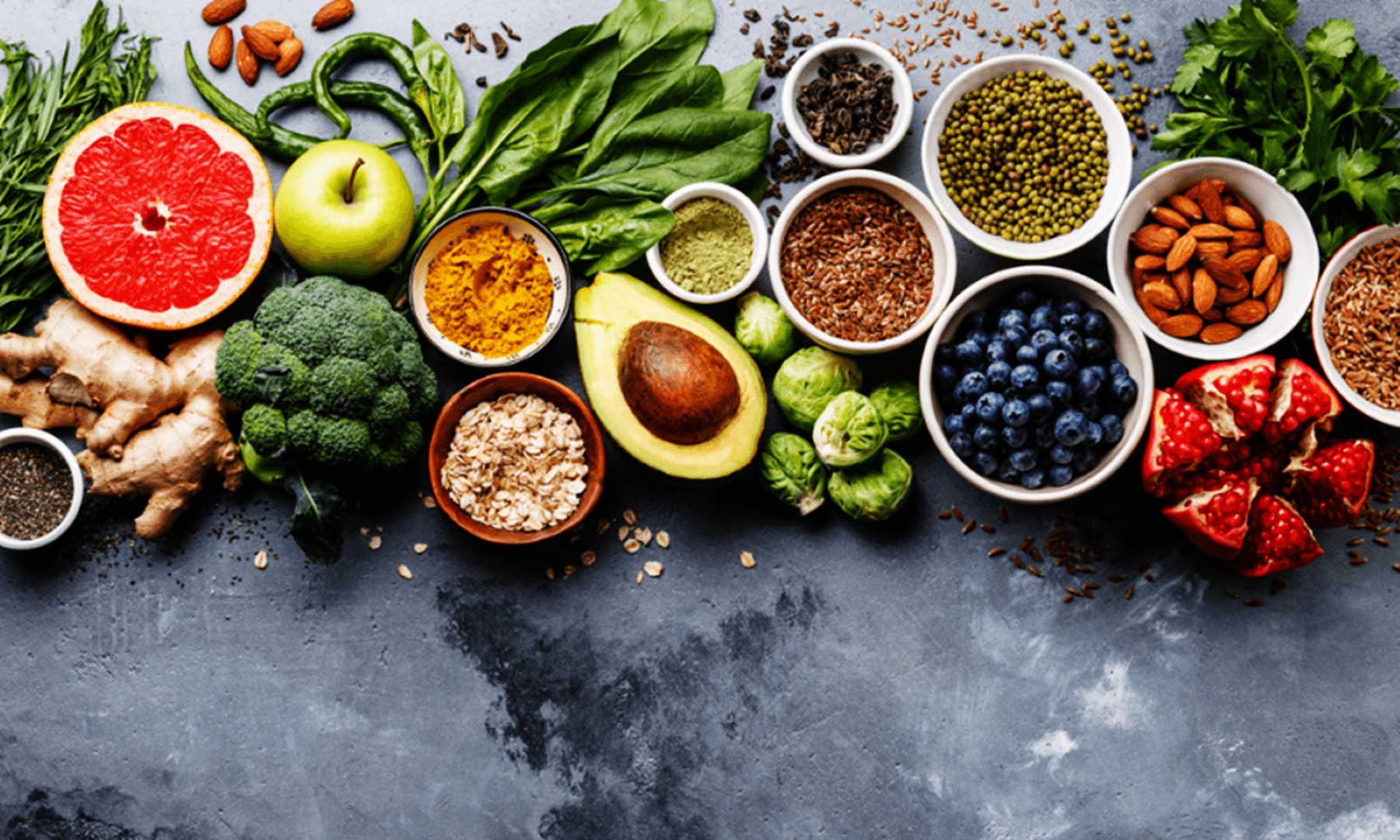
In today’s fast-paced world, balancing work, relationships, and personal well-being can feel like a never-ending challenge. Technology keeps us connected at all times, social media shapes our perceptions of success, and the demands of daily life can often leave little room for self-care. Yet, cultivating a balanced lifestyle is essential—not only for our physical health but also for our mental and emotional well-being.
This article explores the key elements of a fulfilling lifestyle, from wellness routines and nutrition to mindful practices and personal growth strategies.
The Importance of Lifestyle Choices
Lifestyle is not just about how we spend our free time; it’s about the small, daily choices that shape our overall quality of life. The foods we eat, the way we manage stress, how much sleep we get, and even the people we surround ourselves with play vital roles in our long-term happiness and health.
Research consistently shows that lifestyle factors contribute significantly to life expectancy and the risk of chronic diseases. For example, maintaining a balanced diet and exercising regularly can reduce the likelihood of developing heart disease, diabetes, and obesity. But beyond physical health, lifestyle also determines how content, energetic, and purposeful we feel in our day-to-day lives.
Wellness Through Nutrition
One of the cornerstones of a healthy lifestyle is proper nutrition. In an age of fast food, processed snacks, and busy schedules, many people find it challenging to eat well. However, nutrition doesn’t need to be complicated.
-
Balanced meals: Incorporating a mix of whole grains, lean proteins, healthy fats, fruits, and vegetables is essential.
-
Hydration: Drinking enough water each day improves energy levels, supports digestion, and enhances concentration.
-
Mindful eating: Paying attention to portion sizes and eating slowly can prevent overeating while fostering a healthier relationship with food.
Trends such as plant-based diets and intermittent fasting have gained popularity, but the key is finding a nutritional approach that is sustainable and works for one’s lifestyle.

Fitness as a Lifestyle Habit
Exercise should not feel like a punishment or a chore—it should be viewed as an investment in health and vitality. Regular physical activity boosts energy, improves mood, and enhances sleep quality. It also lowers stress levels and helps maintain a healthy weight.
The good news is that fitness doesn’t always require a gym membership or rigorous routines. Activities such as walking, cycling, yoga, or even dancing can be highly effective. The goal is consistency rather than intensity. Experts recommend at least 150 minutes of moderate exercise each week, which can be broken into short, manageable sessions.
Mental Health and Mindfulness
A well-rounded lifestyle prioritizes mental and emotional well-being as much as physical health. In a society where stress and burnout are common, practices like mindfulness and meditation have become invaluable tools.
-
Mindfulness: Taking a few minutes daily to focus on breathing, gratitude, or simply being present can reduce anxiety and improve clarity.
-
Digital detox: Reducing screen time, especially on social media, allows for deeper rest and more meaningful real-world connections.
-
Therapy and self-reflection: Talking with professionals or journaling personal thoughts can promote emotional healing and resilience.
Mental wellness is not about eliminating stress entirely—it’s about developing coping strategies and fostering a positive outlook.
Building Meaningful Relationships
Human connections are at the heart of a fulfilling lifestyle. Research shows that people with strong social support systems live longer and report higher levels of happiness. Nurturing relationships with friends, family, and communities can bring comfort, joy, and a sense of belonging.
In the modern era, it’s easy to substitute real connection with online interactions, but in-person bonds remain irreplaceable. Making time for loved ones, expressing gratitude, and practicing empathy are small but powerful actions that strengthen relationships.
Work-Life Balance
With remote work and digital connectivity, the line between personal life and professional responsibilities has blurred. Many people find themselves constantly “on call,” leading to exhaustion and reduced productivity.
Achieving work-life balance requires setting boundaries:
-
Creating dedicated work hours and sticking to them.
-
Avoiding work emails or calls during personal time.
-
Prioritizing rest and vacations without guilt.
A balanced lifestyle ensures that career ambitions do not come at the cost of health or personal happiness.
Personal Growth and Hobbies
A fulfilling lifestyle is not only about health and responsibilities but also about joy, curiosity, and self-discovery. Engaging in hobbies, learning new skills, or exploring creative outlets enriches life and prevents stagnation.
Whether it’s painting, playing an instrument, gardening, or traveling, personal passions provide a sense of accomplishment and fulfillment. In fact, many psychologists argue that pursuing hobbies helps reduce stress and improve overall well-being.
The Role of Environment
Our surroundings have a profound effect on our lifestyle choices. A cluttered home can increase stress, while a peaceful environment promotes relaxation. Similarly, access to parks, green spaces, or safe walking areas encourages physical activity.
Creating a supportive environment includes organizing living spaces, incorporating natural elements, and designing routines that promote positivity. Even small changes, like reducing household toxins or establishing a calming morning ritual, can significantly improve quality of life.
Sustainability and Conscious Living
Modern lifestyle trends also emphasize sustainability and mindful consumption. Living consciously not only benefits the planet but also enhances personal well-being.
-
Choosing eco-friendly products.
-
Reducing waste and embracing minimalism.
-
Supporting local businesses and ethical brands.
Conscious living fosters a sense of responsibility and purpose, aligning personal choices with broader global well-being.

Conclusion: Crafting Your Lifestyle
A fulfilling lifestyle doesn’t look the same for everyone. What matters most is finding balance, practicing self-care, and aligning daily choices with personal values and goals. Health, fitness, mindfulness, relationships, and personal growth all contribute to a life that is not only longer but also richer and more satisfying.
In the end, lifestyle is about intentional living—choosing to thrive rather than merely survive. By prioritizing wellness, connection, and growth, we can create lives filled with meaning, joy, and resilience, no matter the challenges of the modern world.


How Mental Wellbeing Impacts Your Body Transformation
Emerging science is reshaping how we understand fat loss and physical performance by focusing on how the body regulates energy,...

Retatrutide Peptide: A Breakthrough in Obesity and Metabolic Research
Retatrutide is one of the most talked-about experimental peptides in medical research today, especially in the fields of weight management...


The New Meaning of a Balanced Life: How Modern Lifestyles Are Being Redefined
For years, the idea of a “balanced lifestyle” was portrayed as an ideal mix of career success, social activity, fitness,...


Mastering Time Management as an Entrepreneur
As an entrepreneur, time is one of your most valuable assets—but also one of the easiest to lose control of....


Body Contouring: Transform Your Shape with Precision at Azure Frisco
Body contouring has become one of the most sought-after procedures for individuals looking to sculpt, tone, and refine their bodies....
-

 Mental Health2 years ago
How Hobbies Can Transform Your Mental Health
-
 Business2 years ago
Maximizing ROI: Effective Newsletter Strategies for Your Business
-
 Business2 years ago
How to Create a Sustainable and Eco-Friendly Home
-
 Fitness2 years ago
Healthy Eating Habits for a Busy Lifestyle
-
 Business2 years ago
How to Organize a Successful Workshop: A Step-by-Step Guide
-

 Fitness1 year ago
Effective Methods to Speed Up Wound Recovery
-
 Fitness2 years ago
Adapting Your Training Sessions for Different Fitness Goals
-
 Mental Health2 years ago
Coaching Techniques for Overcoming Challenges