
Fitness
The 10-Minute Perfect Morning Home Workout

In our busy lives, finding time for a workout can be challenging. However, starting your day with a quick and effective workout can set a positive tone for the rest of the day. This 10-minute morning home workout is designed to boost your energy, improve your mood, and enhance your overall fitness without needing any special equipment.
The importance of regular exercise cannot be overstated. Exercise improves cardiovascular health, boosts mental clarity, and increases overall energy levels. Yet, many people struggle to fit lengthy workout sessions into their busy schedules. This 10-minute workout is a perfect solution, providing a quick yet comprehensive exercise routine that you can do right at home.
1. Warm-Up: Preparing Your Body
A proper warm-up is crucial to prepare your muscles and joints for exercise, reducing the risk of injury. Spend the first two minutes of your workout performing dynamic stretches and light cardio to get your blood flowing.
Dynamic Stretches
Start with dynamic stretches like arm circles, leg swings, and torso twists. These movements help increase your range of motion and prepare your muscles for more intense activity.
Light Cardio
Next, move on to light cardio exercises such as marching in place or jogging lightly. Aim for about one minute of these activities to elevate your heart rate and get your body ready for the workout ahead.
2. Core Strength: Building a Solid Foundation
A strong core is essential for overall fitness and stability. Spend the next three minutes focusing on core-strengthening exercises that target your abdominal muscles and lower back.
Plank
Begin with a plank, holding the position for 30 seconds. Ensure your body forms a straight line from your head to your heels, and engage your core to maintain the position.
Bicycle Crunches
Move on to bicycle crunches for 30 seconds. Lie on your back, bring your knees towards your chest, and alternate touching each knee with the opposite elbow. This exercise works both your upper and lower abs.
Superman
Finish with the Superman exercise. Lie face down and simultaneously lift your arms, legs, and chest off the floor, holding the position for a few seconds before lowering. Perform this for 30 seconds to strengthen your lower back.

3. Full-Body Workout: Engaging Major Muscle Groups
A full-body workout ensures that you engage multiple muscle groups, improving overall strength and endurance. Spend the next three minutes performing exercises that target different areas of your body.
Push-Ups
Start with push-ups for one minute. If standard push-ups are too challenging, modify by placing your knees on the floor. Push-ups strengthen your chest, shoulders, and triceps.
Squats
Next, do one minute of squats. Stand with your feet shoulder-width apart, lower your body as if sitting in a chair, and then return to the standing position. Squats work your quadriceps, hamstrings, and glutes.
Burpees
Finish this segment with burpees for one minute. From a standing position, drop into a squat, kick your feet back into a plank, return to the squat position, and jump up. Burpees are a full-body exercise that also provides a cardiovascular challenge.
4. Cool Down: Stretching and Relaxation
Cooling down is as important as warming up. It helps lower your heart rate gradually and reduces muscle stiffness. Spend the final two minutes of your workout cooling down with gentle stretches.
Hamstring Stretch
Sit on the floor with one leg extended and the other bent. Reach for your toes on the extended leg, feeling the stretch in your hamstring. Hold for 30 seconds and switch legs.
Quadriceps Stretch
Stand up, grab your ankle, and pull it towards your glutes to stretch your quadriceps. Hold for 30 seconds and switch legs.
Child’s Pose
Finish with the child’s pose. Kneel on the floor, sit back on your heels, and stretch your arms forward on the ground. Hold this position for 30 seconds to relax your back and shoulders.
Conclusion
In just 10 minutes, you can complete a workout that effectively prepares your body for the day ahead. This routine combines warm-up exercises, core strengthening, full-body engagement, and a proper cool down, ensuring a balanced approach to fitness. Consistently performing this quick morning workout can lead to improved physical health, increased energy levels, and a more positive mindset. Embrace these 10 minutes each morning as a gift to yourself, setting a productive and healthy tone for the rest of your day.

Fitness
What Happens After Training Determines Your Progress

What you do after a workout is just as important as the training itself. Many people focus entirely on the effort they put in during exercise but overlook the recovery phase, where real progress actually happens. Muscles don’t grow during training—they grow and repair afterward.
Energy systems don’t improve in the moment—they adapt during recovery. If you want better results, more energy, and fewer injuries, your post-workout routine needs attention.
The first priority after training is to bring your body back to a balanced state. After intense exercise, your heart rate is elevated, your muscles are under tension, and your nervous system is activated. Instead of stopping abruptly, it’s important to gradually cool down.
Light movement such as walking, slow cycling, or gentle stretching helps normalize circulation and prevents dizziness. This also supports the removal of metabolic byproducts that accumulate during exercise.
Next comes hydration, which is often underestimated. During training, your body loses fluids through sweat, along with essential electrolytes. Replenishing these fluids is crucial for maintaining performance, supporting recovery, and preventing fatigue. Water is usually sufficient for moderate workouts, while longer or more intense sessions may require additional electrolyte intake.

Nutrition is another key factor in post-workout recovery. After exercise, your body is in a state where it can efficiently absorb nutrients. This is the ideal time to provide it with what it needs to recover and rebuild. Protein plays a central role in repairing muscle tissue, while carbohydrates help replenish glycogen stores—the body’s primary source of energy during exercise. A balanced post-workout meal or snack that includes both can significantly improve recovery and reduce muscle soreness.
Timing matters, but it doesn’t need to be extreme. You don’t need to eat immediately within minutes, but consuming a meal within one to two hours after training is generally effective. What matters more than exact timing is consistency and overall daily nutrition.
Another essential step is stretching and mobility work. After a workout, muscles are warm and more flexible, making it a good time to improve range of motion. Gentle stretching can help reduce stiffness and maintain mobility over time. However, this should be done carefully—aggressive or forced stretching can do more harm than good. The goal is to relax the muscles, not strain them further.
Equally important is rest and recovery. Training creates stress in the body, and without adequate recovery, that stress accumulates. This can lead to fatigue, decreased performance, and even injury. Giving your body time to recover—whether through rest days, lighter sessions, or quality sleep—is essential for long-term progress.

Sleep, in particular, is one of the most powerful recovery tools. During deep sleep, the body releases growth hormone, repairs tissues, and restores energy levels.
Listening to your body is another critical habit. Not every workout will feel the same, and recovery needs can vary. If you feel excessively sore, fatigued, or low on energy, it may be a sign that your body needs more rest or better nutrition. Ignoring these signals can slow progress rather than accelerate it.
Some people also benefit from active recovery techniques. This includes low-intensity activities such as walking, yoga, or light cycling on rest days. Active recovery promotes blood flow, which helps deliver nutrients to muscles and remove waste products. It can reduce soreness and keep the body moving without adding significant stress.
Mental recovery should not be overlooked either. Training is both physically and mentally demanding. Taking a few moments after your workout to relax, breathe deeply, or reflect can help shift your body out of a high-stress state. This supports overall recovery and helps maintain motivation over time.
Another useful practice is tracking your workouts and recovery. Keeping notes on how you feel after training, what you eat, and how well you sleep can provide valuable insights. Over time, this helps you identify patterns and make smarter adjustments to your routine.

It’s also important to avoid certain mistakes after training. Skipping meals, neglecting hydration, or immediately jumping into another intense activity can all interfere with recovery. Similarly, relying too heavily on supplements while ignoring basic habits like sleep and nutrition is unlikely to produce good results.
Ultimately, what you do after training determines how well your body adapts to the effort you put in. A good workout creates the stimulus for improvement, but recovery is what turns that stimulus into results. Without proper post-workout care, progress becomes slower and less sustainable.
The goal is not just to train hard, but to recover intelligently. When you support your body with hydration, nutrition, rest, and mindful recovery practices, you create the conditions for consistent improvement. Over time, this leads to better performance, reduced risk of injury, and a stronger, healthier body.
In the end, fitness is not just about what happens during the workout—it’s about everything that happens after it.
Fitness
Effective Methods to Speed Up Wound Recovery

Healing a wound is more than just a physical process, it’s about helping your body recover, regain strength, and avoid complications along the way. Whether it’s some small injury or a more significant injury, proper care can make a huge difference in how quickly and efficiently your body heals. Faster recovery not only helps reduce pain and inconvenience but also minimizes the risk of infection and scarring. The good news? There are practical, evidence-based methods you can follow to help your body’s natural healing power. In this guide, we’ll explore effective strategies to speed up wound recovery, giving you the tools and knowledge to take charge of your healing process.
The Role of Nutrition in Accelerating Healing
Good nutrition plays a very important role in speeding up the wound healing process. When your body is repairing itself, it demands extra nutrients in order to rebuild tissue, fight infection, and reduce inflammation. Protein is a must, as it provides the building blocks for new skin cells. Lean meats, eggs, and legumes are all excellent sources to include in your diet.
Vitamins like Vitamin C and A also help; they support collagen production and strengthen your immune system. Citrus fruits, leafy greens, and carrots are rich in these vital nutrients. Zinc is another key mineral that helps in cell growth and repair—nuts, seeds, and whole grains should be on your menu. Don’t forget to stay hydrated, because water helps transport needed nutrients to your wound.
For those exploring advanced healing options, supplements like BPC 157 may offer additional benefits. If you’ve been wondering where to buy bpc 157 supplement, make sure that you choose a reputable source to support your recovery effectively. Combining proper nutrition and smart supplements can make all the difference in healing faster and stronger.
How to Prevent Infection and Promote Safe Healing
Preventing infection is crucial for a smooth and effective healing process. The first step is to always keep your wound clean. Gently wash it with mild soap and water, also avoid using harsh chemicals like hydrogen peroxide which can damage healthy tissue. After cleaning, apply an antibiotic ointment that helps fight bacteria and cover the wound with a clean, breathable dressing.
Good hygiene is equally important. Wash your hands thoroughly before touching your wound or changing the dressing to avoid introducing germs. Regularly replace the bandage, especially if it becomes wet or dirty.
Monitor your wound closely for signs of infection, such as increased redness, swelling, warmth, pain, or any discharge. If you notice a fever or other concerning symptoms, consult a healthcare professional immediately.
Finally, give your body the support it needs to heal by eating a balanced diet, staying hydrated, and getting enough rest. With proper care and attention, you can minimize the risk of infection and promote safe, effective healing.
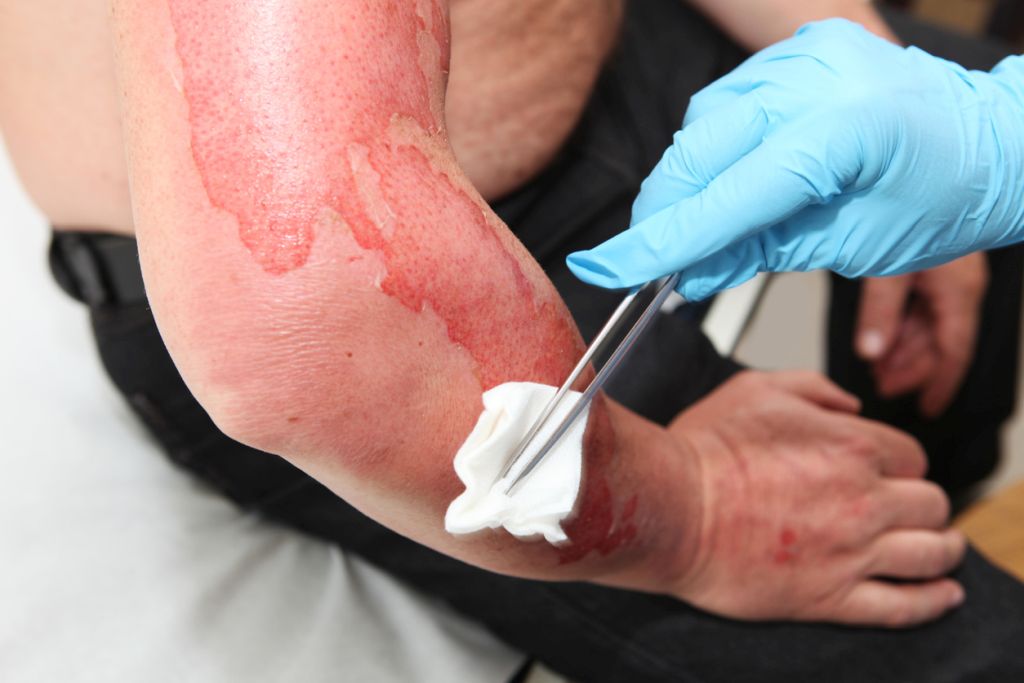
Can Exercise Impact Your Wound Recovery?
Exercise can play a role in your wound recovery, but it’s all about finding the right balance. Light physical activity can boost circulation, delivering oxygen and nutrients to the wound to support healing. Gentle stretching or walking also helps reduce stiffness and improves your overall well-being during the recovery process.
However, it’s important to avoid overexertion. Intense workouts or activities that strain the wounded area can slow healing or even reopen the wound. Always listen to your body and follow medical advice on when and how to resume physical activity safely.
If you’re ready to incorporate movement, start with low-impact exercises that don’t stress the injury. For example, if your wound is on your lower body, focus on upper-body stretches or seated exercises. For wounds on the upper body, you can try light walking or yoga.
Remember, rest is just as important as exercise during recovery. Pairing gentle movement with proper wound care, good nutrition, and adequate rest will give you the best chance at a faster, healthier recovery. Always check with your healthcare provider if you’re unsure about your activity level.
Conclusion
Speeding up wound recovery requires a mix of proper care, balanced nutrition, and mindful practices. By staying proactive, cleaning your wound, preventing infection, and supporting your body’s natural healing, you can recover faster and stronger. Take more care of your healing process today and get ready for a healthier tomorrow.
Fitness
A Guide to Measuring and Mixing for Optimal Results

Peptides have gained popularity in the fitness and health community for their potential benefits in muscle development, fat loss, and recovery. However, achieving optimal results requires accuracy in preparation, particularly in measurement and mixing. This guide will walk you through the essentials of dosing, using a peptide calculator, and proper reconstitution techniques to maximize effectiveness and safety.
Understanding Peptides and Their Importance
Peptides are short chains of amino acids that act as signaling molecules in your body, instructing cells to perform specific functions. When used correctly, they can enhance performance, improve recovery, and boost overall physical readiness. However, proper dosage and preparation require precision, which many users often overlook. Understanding how to calculate doses accurately using a peptide calculator is critical to avoiding missteps that could undermine your regimen or compromise your safety.
The Basics of Measuring Peptides
Accurate measurement starts with understanding the relationship between milligrams (mg) and milliliters (ml). Peptides are typically sold in vials with concentrations specified in milligrams, requiring users to reconstitute the powder with bacteriostatic water. The volume of water added dictates the mg/ml ratio, which forms the basis for calculating an optimal dosage.
For example, if a vial contains 10mg of a peptide and you dilute it with 2ml of water, every 1ml of solution will contain 5mg of the peptide. Precision is paramount, as even slight miscalculations could lead to under-dosing or overdosing.
Using a Peptide Calculator for Accuracy
Peptide users and athletes alike know that pinpoint precision can mean the difference between an effective regimen and wasted effort. Becoming proficient with a peptide calculator mg alongside mastering techniques in measuring, mixing, and administering—is not just a best practice; it’s a necessity for those who want optimal results. When planning your peptide routine, prioritize precision and take steps to ensure every detail—from reconstitution to storage—is handled with care.
A peptide calculator is an essential tool for ensuring accurate measurements. These calculators allow users to input the total peptide weight, the dilution volume, and the desired dosage to quickly determine the exact amount to draw into a syringe for administration. Most calculators integrate various metrics, allowing athletes to cross-check dosages safely. This tool is particularly useful for beginners or those working with multiple compounds, as it removes guesswork and ensures consistency in dosages.

Proper Peptide Reconstitution Techniques
Safe peptide usage requires mastering proper reconstitution methods. Follow these steps for optimal mixing:
- Sanitize – Clean the vial’s rubber stopper with an alcohol swab.
- Draw Water – Use a syringe to draw the required amount of bacteriostatic water.
- Inject Slowly – Inject the water slowly down the side of the vial rather than directly onto the powder to prevent frothing or damaging the peptide chains.
- Mix Gently – Gently swirl (never shake) the solution until the powder is fully dissolved, ensuring it is properly mixed and free of clumps.
Storing Peptides for Maximum Potency
Storage is crucial for maintaining peptide potency. Reconstituted peptides must be refrigerated, and some may even require freezing if stored for extended periods. Always check the stability and shelf life of each compound, as expired peptides lose their effectiveness. Proper labeling can also help keep track of multiple peptides and prevent confusion.
Maintaining Consistency in Dosing
Consistency is the foundation of any peptide regimen. Administering peptides at regular intervals and following dosing instructions precisely leads to the best results over time. To stay on track:
- Use timers, logs, or apps to track doses.
- Avoid skipping or mismeasuring doses, as this can disrupt progress.
- Follow professional guidelines to maintain a structured regimen.
Prioritizing Safety and Professional Guidance
Even experienced peptide users should prioritize safety. Before using any new peptide, consult a healthcare professional specializing in peptide therapy or performance medicine. Understanding potential interactions, contraindications, and appropriate dosing frequencies is essential. Taking this extra step significantly reduces the risks associated with improper usage.
Understanding Peptide Stacking and Compatibility
For those exploring multiple peptides, understanding how compounds interact is crucial. Some peptides work synergistically, enhancing each other’s effects, while poor combinations could lead to diminished results or adverse side effects. Research each compound thoroughly to ensure alignment with your performance goals before integrating them into your regimen.
Precision is Key
Peptide users and athletes alike know that pinpoint precision can make the difference between an effective regimen and wasted effort. Becoming proficient with a peptide calculator, mastering measurement and mixing techniques, and ensuring proper storage are essential best practices.
Success in peptide therapy or supplementation lies in the details. By investing time in learning proper preparation techniques, using the right tools, and aligning your practices with your performance goals, you can maximize the potential benefits of peptides and achieve optimal results.


What Happens After Training Determines Your Progress
What you do after a workout is just as important as the training itself. Many people focus entirely on the...


How Mental Wellbeing Impacts Your Body Transformation
Emerging science is reshaping how we understand fat loss and physical performance by focusing on how the body regulates energy,...

Retatrutide Peptide: A Breakthrough in Obesity and Metabolic Research
Retatrutide is one of the most talked-about experimental peptides in medical research today, especially in the fields of weight management...


The New Meaning of a Balanced Life: How Modern Lifestyles Are Being Redefined
For years, the idea of a “balanced lifestyle” was portrayed as an ideal mix of career success, social activity, fitness,...


Mastering Time Management as an Entrepreneur
As an entrepreneur, time is one of your most valuable assets—but also one of the easiest to lose control of....
-

 Mental Health2 years ago
How Hobbies Can Transform Your Mental Health
-
 Fitness2 years ago
Healthy Eating Habits for a Busy Lifestyle
-
 Business2 years ago
Maximizing ROI: Effective Newsletter Strategies for Your Business
-
 Business2 years ago
How to Create a Sustainable and Eco-Friendly Home
-
 Business2 years ago
How to Organize a Successful Workshop: A Step-by-Step Guide
-

 Fitness2 years ago
Effective Methods to Speed Up Wound Recovery
-
 Fitness2 years ago
Adapting Your Training Sessions for Different Fitness Goals
-
 Fitness2 years ago
4 Postworkout Drinks to Help You Refuel